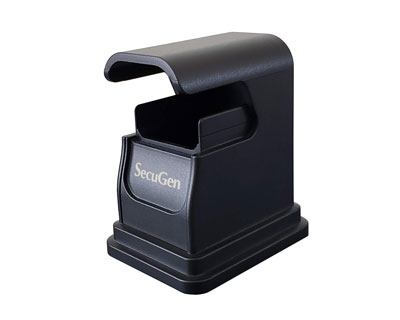
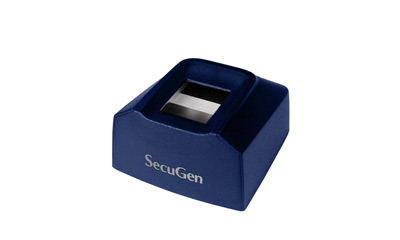
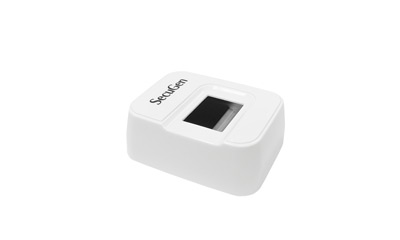
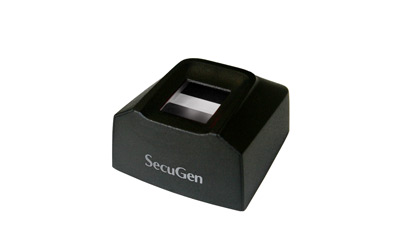
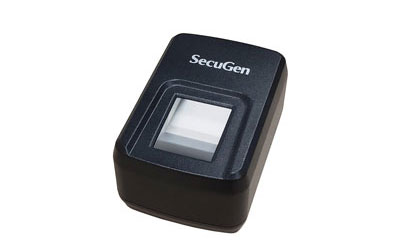
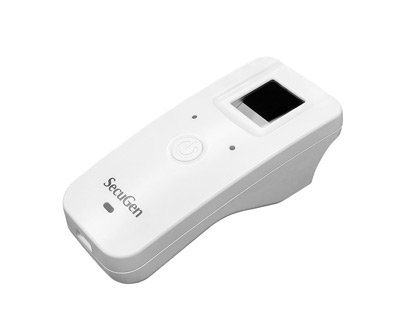
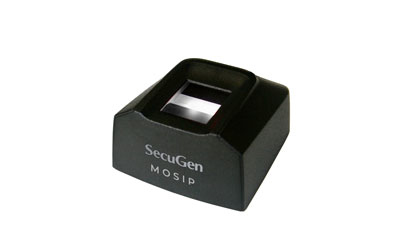
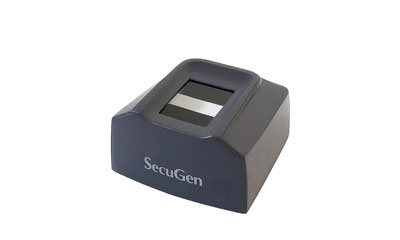
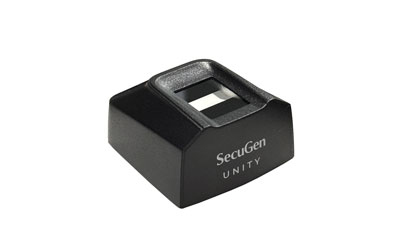
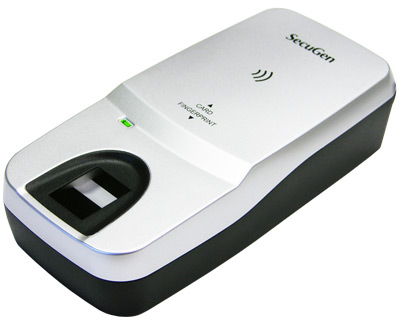
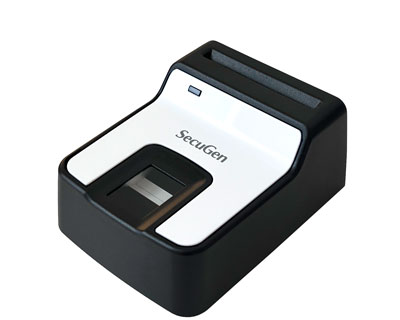
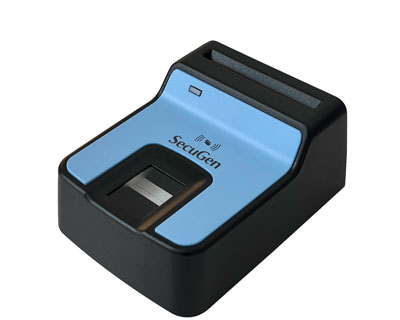
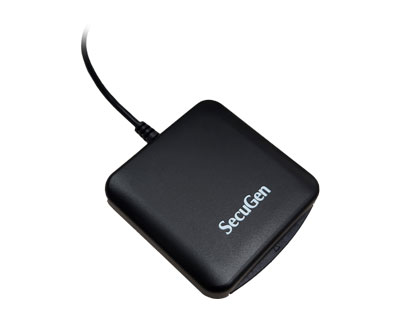
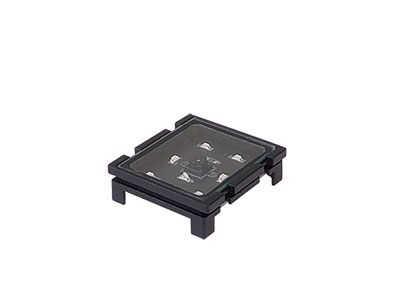
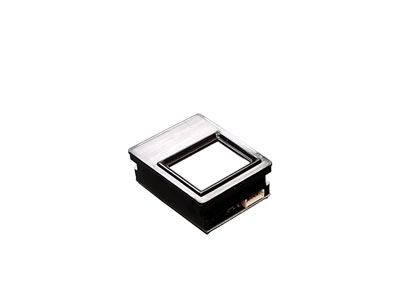
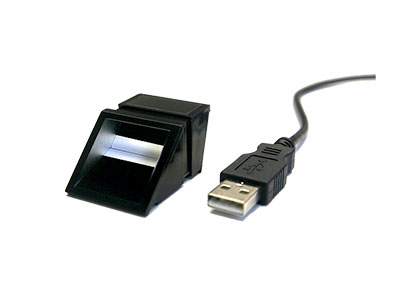
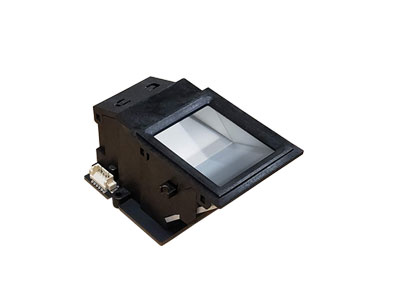
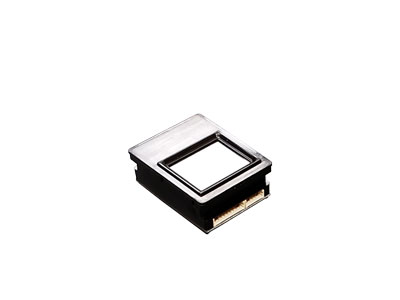
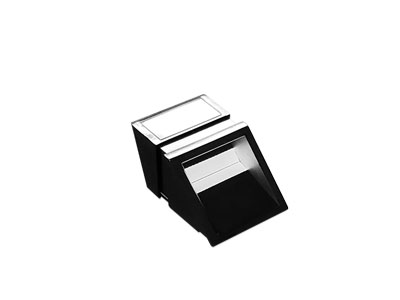
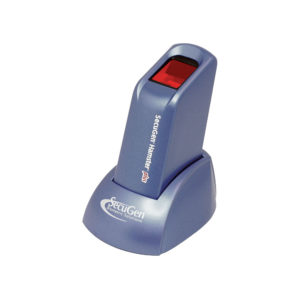
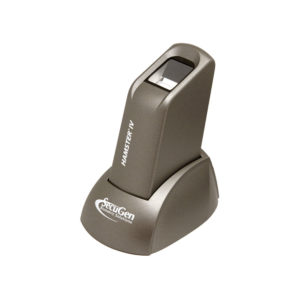
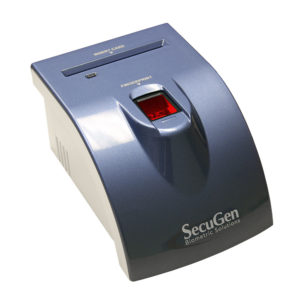
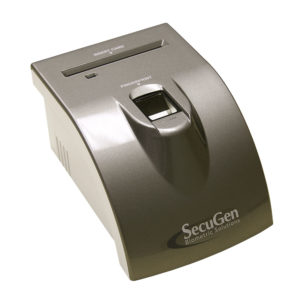
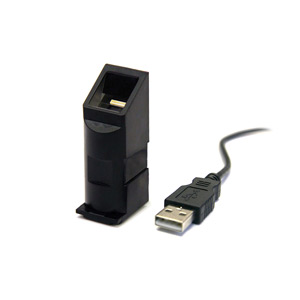
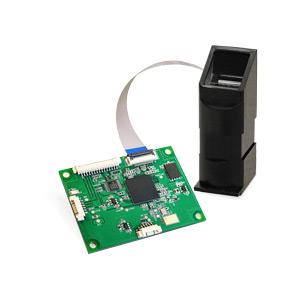
SecuGen fingerprint sensor modules are used around the world by Original Equipment Manufacturers (OEM) and developers for integration with a variety of security, access control, time & attendance, ATM, kiosk, PC peripherals and many other products. They all feature SecuGen's patented SEIR™ optic module that produces high-contrast, low-distortion, high-quality fingerprint images for biometric authentication.
Robust design, proven performance, high image quality and affordability make SecuGen sensors the best choice for the most demanding fingerprint recognition applications. These sensors have been proven time and again to resist a wide range of environmental factors and harsh conditions including shock, impact, scratches, contaminants (sweat, dirt, oil, etc.), cold, heat, humidity and electrostatic discharge.
1. What is in an Optic Module?
The Optic Module consists of a hard glass prism (where you would place your finger), LEDs, lens assembly & CMOS sensor encased in a molded housing with electronic components.
2. What is a fingerprint template?
Fingerprints are not stored as images, but instead their data points (or minutiae) are mapped from the fingerprint and formed into a template. When you enroll a fingerprint, it is the template that is formed and stored. When you present your finger for identification or verification, another template is formed and compared with the stored template. Template data files are typically much smaller than fingerprint images because only a fraction of image data is used. That also means templates generally cannot be used to reconstruct the original fingerprint image, making templates much more secure to work with.
3. What is the difference between SecuGen and ANSI INCITS templates?
SecuGen's template is encrypted and the method of minutiae extraction is proprietary. The ANSI INCITS 378-2004 template is a standard minutiae format established by the American National Standards Institute often adopted by government and large-scale biometric applications requiring interoperability. The ANSI template is not encrypted.
4. What is Auto-On?
Auto-On is a feature that allows the sensor to automatically detect the presence of a finger when placed on the sensor and to send a signal to the "application" to capture the fingerprint. By eliminating the need for a user to prompt the "application" and wait until it is ready for capture, Auto-On is ideal for high traffic or high throughput uses.
5. What is Smart Capture?
Smart Capture is a feature ensures quality fingerprint scanning of difficult fingers. By automatically adjusting the brightness of the sensor, Smart Capture allows the SecuGen fingerprint reader to capture high quality fingerprints from a wide range of traditionally difficult fingers, including those from dry, wet, scarred or aged skin, and even in bright ambient conditions such as under direct sunlight.
6. What is Latent Fingerprint Check?
Latent Fingerprint Check is a feature that rejects latent (or residual) fingerprints that may be left behind on a sensor platen.
Learn more about
The Top 5 Reasons for Choosing SecuGen Sensors
Comparison between Optical and Capacitive (Semiconductor) Sensors
|